Workflow Automation

Connect Customer Interactions with Operational Execution

Automate, coordinate, and monitor back-office processes while keeping them synchronized with customer-facing interactions, services, and journeys.

Q-Flow Workflow Automation helps organizations orchestrate the operational activities that take place behind the scenes of customer service delivery. From approvals and reviews to laboratory processes, case handling, investigations, fulfillment activities, and cross-departmental coordination, organizations can automate work while maintaining visibility and control throughout the entire service lifecycle.

By connecting operational workflows with customer-facing interactions, Q-Flow helps ensure that every step of the process contributes to a seamless customer experience.
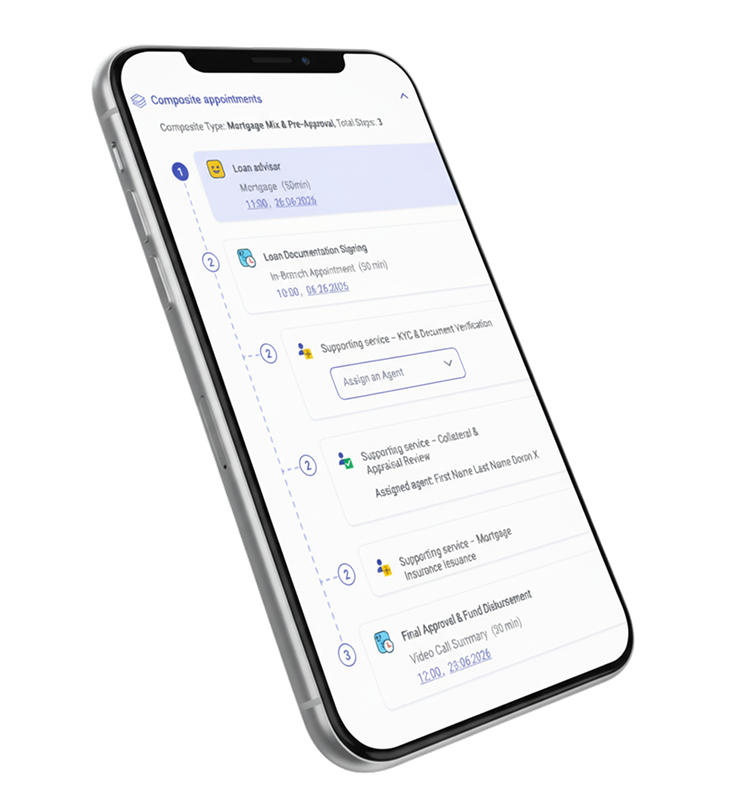
Why It Matters

Journey orchestration matters

Many customer journeys depend on activities that occur outside the customer’s view. Applications must be reviewed, documents validated, tests completed, approvals granted, resources allocated, and follow-up actions coordinated across multiple teams and systems.

When these processes are disconnected from customer-facing services, organizations often experience delays, inefficiencies, inconsistent service delivery, and limited visibility.

Q-Flow Workflow Automation helps organizations coordinate operational work while ensuring that customer interactions remain aligned with real-time process status and business outcomes.

What It Does

Workflow Design and Automation

Configure operational workflows, business processes, approvals, reviews, and service procedures without extensive custom development.

Task and Work Management

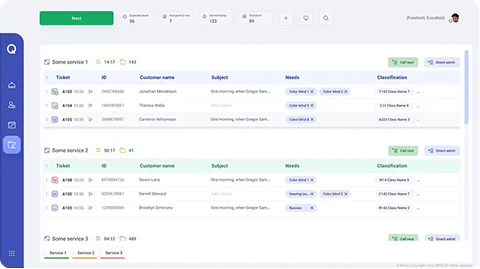
Create, assign, prioritize, and monitor tasks across teams, departments, service groups, and operational units.

Business Rules and Decision Logic

Apply configurable policies, eligibility criteria, routing rules, validations, and service requirements to automate operational decisions.

Human Approvals and Exception Handling

Support reviews, approvals, investigations, escalations, and other human-driven activities while maintaining process visibility and control.

Cross-System Process Coordination

Synchronize activities across CRM systems, healthcare applications, government platforms, customer portals, communication services, and other enterprise systems.

Customer and Workflow Synchronization

Trigger operational workflows from customer interactions and automatically update customer-facing services based on workflow progress, outcomes, and milestones.

Notifications and Status Updates

Keep customers, employees, and stakeholders informed through automated notifications, communications, and process-driven updates.

Workflow Monitoring and Analytics

Track process performance, cycle times, bottlenecks, workloads, completion rates, and operational KPIs to support continuous improvement.

“Q-flow has contributed towards simplification of the sale process, allowing the branch staff to offer our customers more qualified and professional advice. Q-flow features great flexibility and adapts perfectly to processes in the bank business.”

Amedeo Falletto | HR and Administrative Director, Banca Di Asti

Business Benefits

Accelerate Operational Processes

Reduce delays and manual coordination through automated workflows and business rules.

Improve Service Consistency

Ensure operational activities are executed according to organizational policies and service requirements.

Connect Front Office and Back Office

Synchronize customer-facing interactions with operational execution to improve service continuity and transparency.

Increase Operational Visibility

Monitor process status, workloads, bottlenecks, and service outcomes in real time.

Improve Compliance and Governance

Maintain auditability, accountability, and control across regulated operational processes.

Adapt Quickly to Change

Modify workflows and business rules without lengthy development projects.

How It Fits Into the Platform

Workflow Automation coordinates the operational activities that support customer journeys.

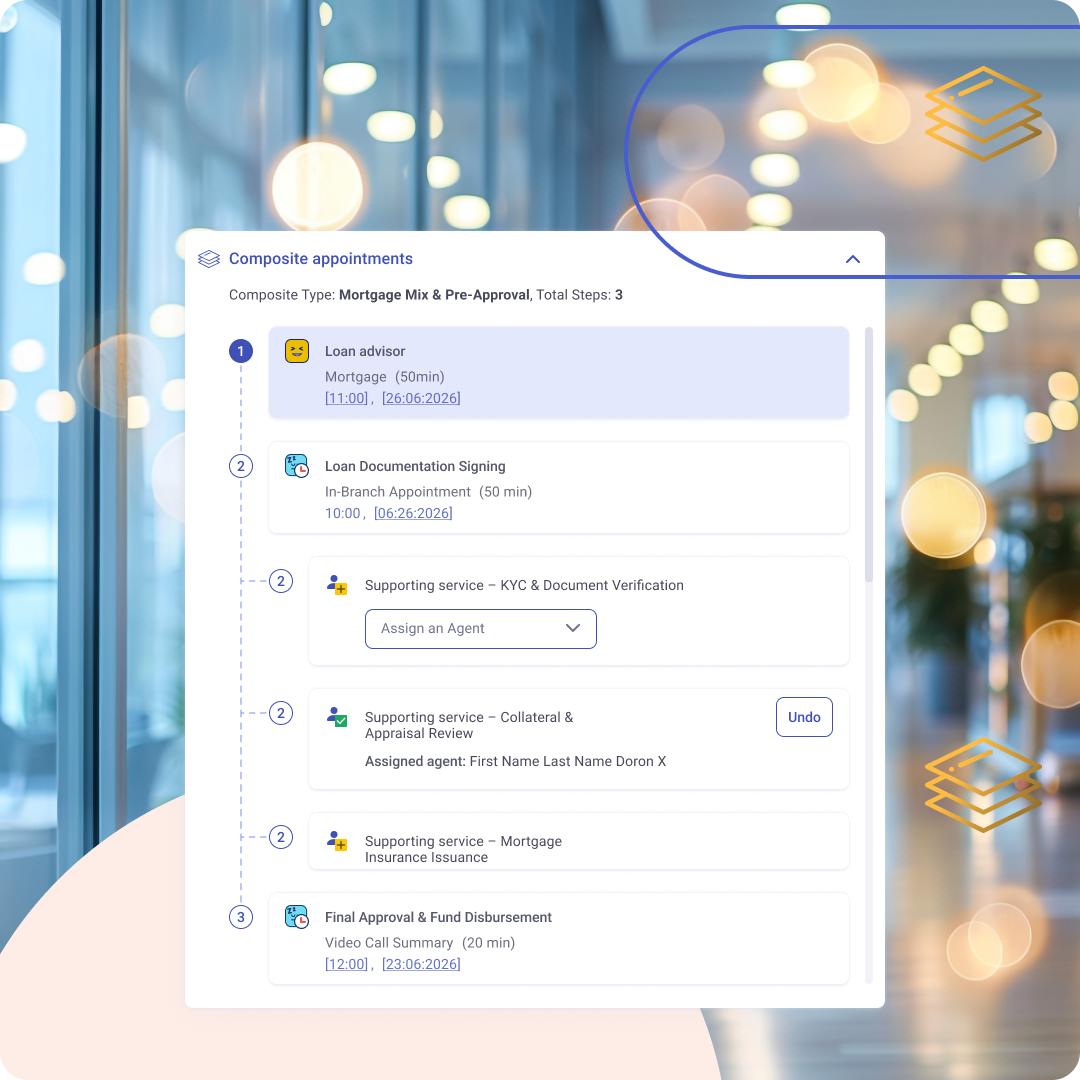
Customer interactions can trigger workflows, workflows can generate customer actions, and operational milestones can automatically influence appointments, queues, notifications, approvals, and service delivery activities.

By operating as part of the Q-Flow Customer Journey Orchestration Platform, Workflow Automation helps connect front-office experiences with back-office execution across the entire customer journey.

Customer Interaction
Back-Office Task
Reconnect with Customer Journey

FAQ

Why is workflow automation important for customer experience?
What is the difference between workflow automation and customer journey orchestration?
How can organizations improve SLA compliance without increasing operational overhead?

Related industries

Each solution works across industries with different regulatory, operational, and service requirements.
Appointment scheduling platform

Ready to Automate Operational Workflows?

Connect customer interactions with operational execution, improve process efficiency, and deliver more coordinated service experiences.

Contact us to learn how Q-Flow Workflow Automation can help your organization orchestrate operational processes at enterprise scale.

Contact Us

    Since 2002, Q-nomy has been developing and implementing an advanced Queue Management System for intelligent customer journey orchestration, enabling organizations to optimize customer flow and elevate the experience in branches and stores. Q-nomy’s vision is to maximize the value of every customer visit – reducing wait times, increasing sales, and enhancing customer satisfaction through intelligent queue management.

    Become
a Partner

    Join a growing network of partners building smarter customer experiences. Extend your offering with proven customer journey technology and help your clients transform how they serve customers. Let's grow together.